Recent Developments and Market Sentiment
The peanut-themed token PEANUT has caught quite a bit of attention thanks to its memecoin origins and the viral story behind “Peanut the Squirrel”. The community’s enthusiasm has swung back and forth based on high-profile mentions from well-known figures and its active social media following. Early on, the token saw huge short-term gains driven by exchange listings and the compelling narrative that captured people’s imagination. However, there are real concerns about potential legal issues around intellectual property and the fact that the token relies heavily on hype rather than any real-world use case. Understanding these factors is crucial when looking at how the price is moving right now.
Insights from Latest News
On-chain data shows that large holders, often called “whales”, have been quietly accumulating PEANUT even as the price has dropped significantly in recent weeks. This suggests some big players still believe in a comeback. That said, analysts agree that PEANUT remains extremely speculative, with price forecasts all over the map depending on whether the memecoin hype continues. Looking ahead to 2026, conservative estimates sit below $0.10, while more optimistic scenarios see potential prices anywhere from $0.12 to $0.40 if momentum really picks up. These wide-ranging predictions highlight both the opportunity and the serious volatility at play here.
Technical Indicators & Price Structure
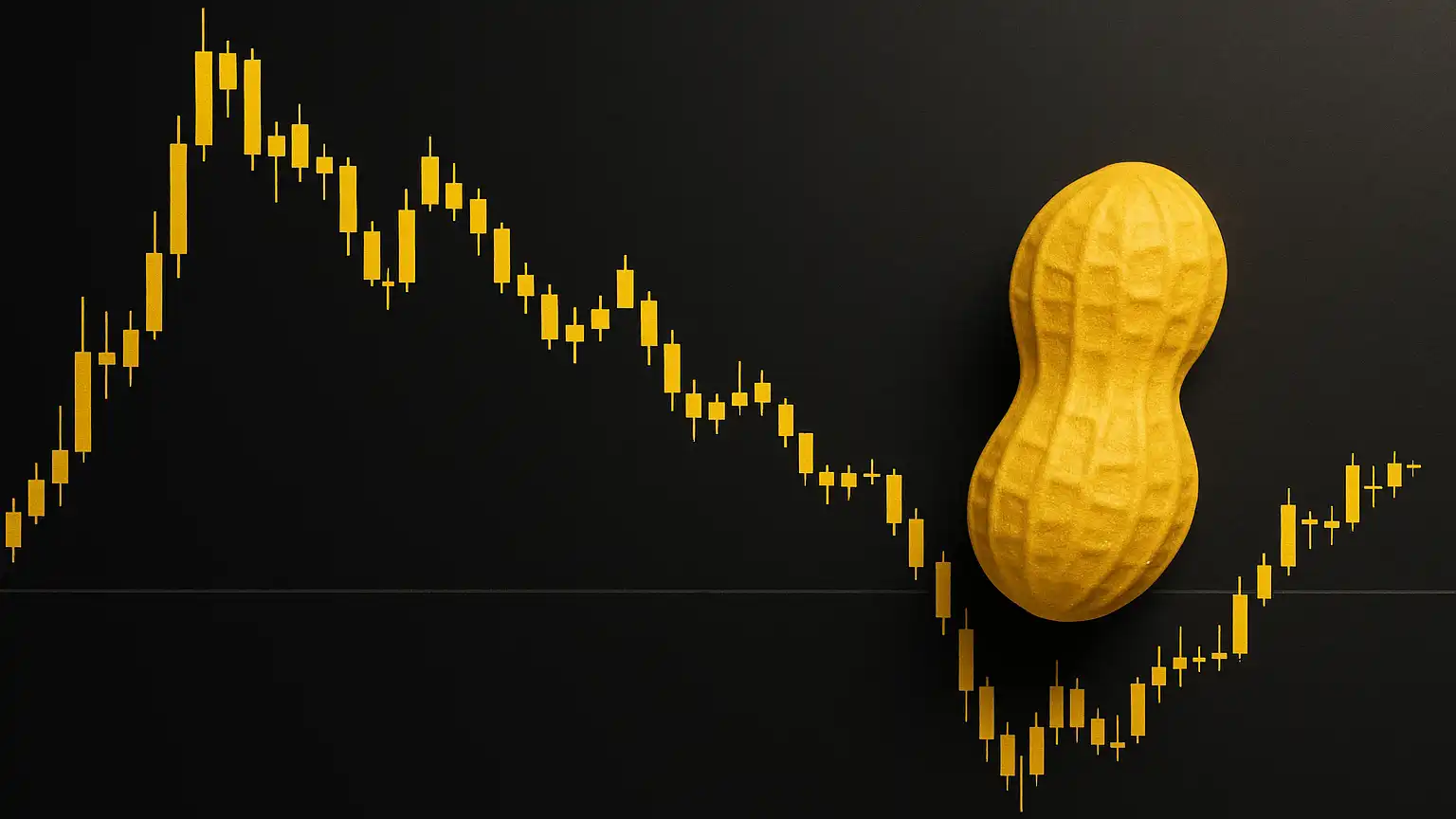
Right now, PEANUT/USDT is trading at around 0.00069636, down roughly 0.43% over the past 24 hours. The momentum indicators aren’t looking great for the short to medium term—they’re pointing toward weakness or bearish conditions. The Relative Strength Index sits below 50, which tells us the bulls aren’t really in control at the moment. The MACD indicator is also negative, suggesting we’re likely to see continued downward pressure. Support levels are quite a ways below where we are now, and resistance sits well above, making a sustained breakout unlikely without some major catalyst.
Levels to Watch & Potential Scenarios
Support is likely to show up near levels that were previously broken—areas that served as price floors during past pullbacks. If PEANUT keeps heading down without any reversal signals, we could see it test those support zones again. On the flip side, there are several resistance barriers ahead—previous highs and areas where heavy trading volume occurred—that have stopped rallies in the past. For a genuine bullish turnaround, PEANUT would need to get back above its moving averages and break through the trendlines that have capped recent attempts to rally. Only after clearing those hurdles would higher resistance levels become realistic targets.
Price Prediction Models
Looking at the technical picture and current sentiment, we can sketch out two main scenarios:
- Bearish to Base Case: If the selling continues and the community excitement fades, the price could keep drifting lower and retest support near previous lows. In this scenario, we might see prices drop to somewhere between half to a quarter of current levels, unless there’s a sudden spike in buying volume that changes the direction.
- Bullish Upside Case: If something significant happens—like getting listed on a major exchange, a new wave of social media buzz, or clarity on the legal front—we could see a strong bounce back. In that situation, PEANUT might break through resistance and try to revisit the levels we saw during past speculative runs. Based on history, these moves tend to be sharp and intense, but they don’t usually last very long.
Trade Strategy Implications
If you’re thinking about trading this, keeping tight risk controls is absolutely critical. Consider placing stop-losses just below key support levels to protect yourself from bigger losses. Watch for volume spikes and the RSI turning positive as potential signs that the trend might be reversing. Given how volatile this token is, it makes sense to keep position sizes moderate if you’re going long. For short-term traders, there might be opportunities to profit from the price swings between the resistance and support zones we’ve identified.