
Current Situation & Recent News
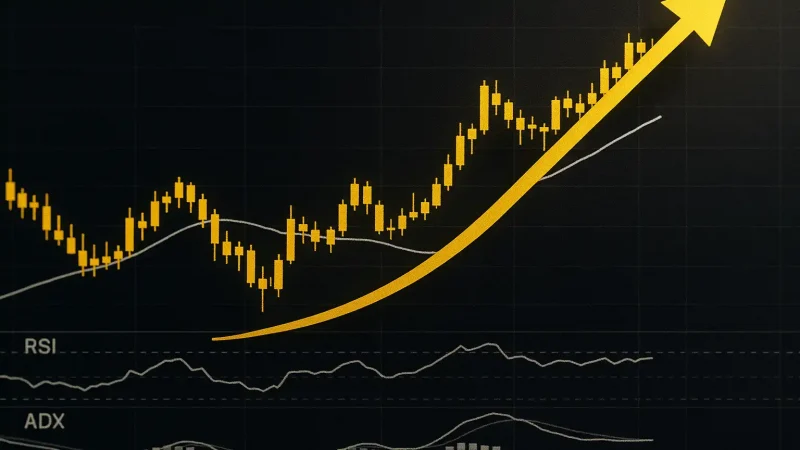
dogwifhat (WIF) is sitting at around US$ 0.22775 right now, down roughly –2.94% over the past day. Looking at the 4-hour chart on Binance’s WIF/USDT pair, the RSI is hovering near 47.76—pretty much neutral territory. The MACD is showing a slightly negative histogram, with the MACD line at about 0.00274 sitting below its signal at 0.00411, which hints at some mild bearish momentum. Price action is caught between the 4-hour SMA (around US$ 0.2260) and EMA (about US$ 0.2298), which tells us the short-term trend is kind of stuck in limbo.
The broader market seems just as uncertain. Recent forecasts are suggesting a possible recovery toward US$ 0.25–US$ 0.27 over the next week to month, but only if key resistance levels get broken. On the flip side, there’s downside risk toward US$ 0.20 if support gives way. Looking at recent history, WIF has been grinding downward for weeks now, with volume drying up and volatility spiking—classic signs that the market might be at a turning point.
Key Technicals: Support, Resistance & Indicators
The daily pivot structure gives us some important levels to watch. The pivot sits at roughly US$ 0.23099, with the first resistance zone around US$ 0.23599 (R1), followed by stronger resistance above US$ 0.24399 (R2/R3). If things turn south, support levels come in at about US$ 0.2230 (S1), US$ 0.2180 (S2), and US$ 0.2100 (S3).
On the shorter 4-hour timeframe, the SMA around US$ 0.2260 is sitting just below the current price, offering a bit of support cushion, while the EMA at roughly US$ 0.2298 is slightly overhead. Having price sandwiched between these averages shows neither bulls nor bears have much conviction right now. The RSI near 48 confirms this neutral stance. That slightly negative MACD histogram does add a touch of bearish tilt, but it’s not screaming anything dramatic yet.
When you zoom out to the longer-term view, things look more bearish. On daily and weekly charts, price is well below the major moving averages—the 50-, 100-, and 200-period EMAs and SMAs. Volume has been shrinking too, which suggests there’s less conviction behind recent moves. Those previous support zones around US$ 0.20-0.22 are really important now—if those break, we could see deeper losses ahead.
Bullish vs Bearish Scenarios
Bull Case: If WIF can push above the US$ 0.230-0.2315 pivot and break through that US$ 0.235-0.243 resistance zone with solid volume behind it, we could see a short-term rally toward US$ 0.25-0.27. A clean break above US$ 0.27 might even open the door to US$ 0.30, especially if the MACD histogram flips positive and RSI climbs past 60.
Bear Case: If the US$ 0.223 support level doesn’t hold, we could see a quick drop to US$ 0.20. Below that, there’s not much cushion left, which could expose a fall toward US$ 0.18 if bearish momentum really kicks in—especially if volatility picks up and volume supports the downward move.
Technical Forecast & Trading Strategy
Based on what the charts are showing us right now, here’s what to expect and how to approach it strategically.
Short-Term (1-2 weeks): We’re probably looking at sideways chop between US$ 0.22 and US$ 0.24, with resistance tightening up around US$ 0.245. A breakout above US$ 0.25 would be the first real bullish confirmation, potentially pushing price toward US$ 0.27. On the other hand, a breakdown below US$ 0.22 could bring a quick retest of US$ 0.20 support. If you’re entering near resistance, keep your stop-losses tight.
Medium-Term (1-month): If the bulls get their act together, WIF might reach US$ 0.30, possibly even testing around US$ 0.35 if the upward structure holds and volume comes back. But without a strong catalyst—like renewed social media hype, new exchange listings, or big accumulation—downside pressure is still very real. A move down toward US$ 0.18-0.20 wouldn’t be shocking.
Entry & Risk Management: If you’re more conservative, consider entries closer to support (US$ 0.22-0.225) with a stop-loss near US$ 0.20 for a better risk/reward setup. More aggressive traders might look for buys above US$ 0.25 once a breakout is confirmed. Either way, position sizing is crucial here—WIF’s volatility can create rapid reversals that’ll catch you off guard.
Final Insights
dogwifhat is in a technically tricky spot, but that also means potential opportunity. Short-term indicators are pointing to neutral with a slight bearish lean, while the medium-term setup really depends on whether those key resistance zones get cleared. The US$ 0.22-0.23 range is acting as the battleground: hold it, and recovery toward US$ 0.25-0.30 becomes realistic; lose it, and we’re looking at increased risk toward US$ 0.18-0.20.
At the end of the day, while there are hints of stabilization and possible accumulation happening underneath, we’re still waiting for real confirmation. Strong volume, a positive MACD histogram flip, and clean breaks of pivot levels—those will be the real signals. Until we see those, the outlook stays cautious, with upside capped by resistance pressure.