Despite a volatile crypto landscape where headlines obsess over token prices, a contrasting voice emerges from within Ripple Labs. David Schwartz, the company’s outspoken Chief Technology Officer, is urging the XRP community and blockchain observers alike to refocus. He claims real adoption isn’t measured in speculative highs but in metrics like on-chain volume and liquidity—hallmarks of a maturing network poised for practical dominance. With XRP price fluctuations grabbing attention, Schwartz argues it’s what’s happening under the hood that truly matters.
A Market Correction Before a Surge?
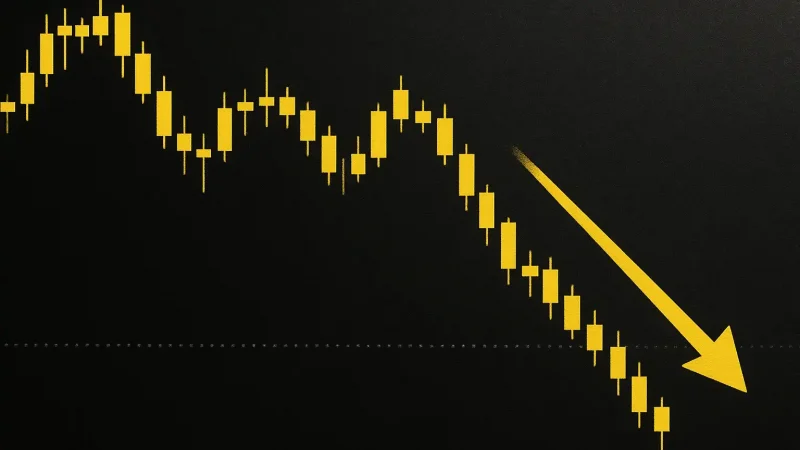
According to top traders watching XRP’s chart formations, a temporary downturn may precede a broader rally. Technical forecasts suggest XRP’s price could dip to $2.03 before staging a larger move upward. This correction, while drawing concern from short-term investors, might actually represent the final phase of price compression before XRP enters a more sustainable growth cycle fueled not by hype but by real-world use cases.
The timing aligns with a growing chorus within Ripple advocating for value metrics that go beyond market capitalization. The price dip, in this narrative, becomes less of a setback and more of a recalibration—a necessary pause in speculative energy as fundamental forces quietly reshape the XRP Ledger’s role in institutional finance.
Usage Over Hype: What Truly Powers Blockchain Adoption
Schwartz has pointed to the XRP Ledger’s transaction volume—more than four billion transactions to date—as a more accurate measure of adoption than any ATH (All-Time High) metric. These transactions, settled in under five seconds and at fractional fees, represent actual economic activity happening on a global, decentralized payments system. This stands in stark contrast to the congested, fee-heavy networks that have drawn criticism from developers and institutions alike.
Unlike networks that extract fees as a business model, Schwartz emphasizes the XRP Ledger’s architecture as one of enablement. The goal isn’t to capitalize on user activity, but to reduce barriers for it. In that light, adoption means more than wallet downloads—it means transactions that matter, completed quickly and at scale.
The Liquidity Advantage: A Decade of Depth
Liquidity is another oft-overlooked, yet vital, component of blockchain utility. As Schwartz notes, XRP has remained among the top five digital assets by market cap for nearly a decade. But beyond rankings, it enjoys broad, deep pools of liquidity—ensuring that large transactions can occur with minimal slippage and little disruption to price.
This liquidity isn’t merely a by-product of popularity; it’s an infrastructure feature that appeals to enterprise-level users whose financial requirements surpass the capabilities of most cryptocurrencies. In essence, XRP is already providing the backbone for a system that needs to clear millions, potentially billions, in value transfer across borders—securely, instantly, and at known costs.
The Institutional Wave: Function Before Fame
Ripple’s vision for the XRP Ledger is being realized through institutional partnerships that treat blockchain not as a novelty but as core financial infrastructure. From traditional investment firms like Guggenheim and Franklin Templeton to tokenized asset issuers such as Ondo and Aberdeen, the shift is unmistakable. These entities aren’t just minting tokens—they’re moving real assets, settling actual fund flows, utilizing XRP’s railways for cross-border operations.
Schwartz stresses that this movement represents a more advanced stage of adoption. Unlike past iterations of enterprise blockchain solutions, where assets sat dormant on-chain, the institutional use of XRP involves dynamic flows. These settlements mirror how financial systems work in the real world—a sign, he argues, that crypto is no longer seeking legitimacy but delivering on it.
Retail Isn’t Left Behind—It’s Just Warming Up
The retail side of the equation, while less mature, is showing signs of catching up. Schwartz acknowledges that current tools still tilt toward early adopters and high-risk traders. But he points to accelerated wallet growth—over 500,000 new wallets created via applications on the XRP Ledger—as evidence of widening appeal.
With upcoming offerings such as tokenized money market instruments and stablecoins, the broader retail segment is expected to engage more directly. Unlike past crypto cycles driven solely by meme coins or speculative FOMO, this phase promises access to relevant, regulated financial tools—rendering token ownership both useful and safe for average consumers.
Outlook: Metrics That Matter for the Next Crypto Epoch
As crypto markets brace for their next evolution, the conversation is shifting. The playbook of judging network health by price alone is losing relevance in a world where infrastructure and utility now drive narrative. Schwartz’s message—that liquidity, throughput, and real asset movement matter more than volatile price candles—may soon become orthodoxy among smart investors.
For XRP, this shift represents not a break from its roots, but a return to them: cross-border payments, real-time settlements, and a ledger purpose-built for scale. If price does dip toward $2.03 as predicted, it may only be a springboard—launched not by speculation, but by systems actually working as promised.