
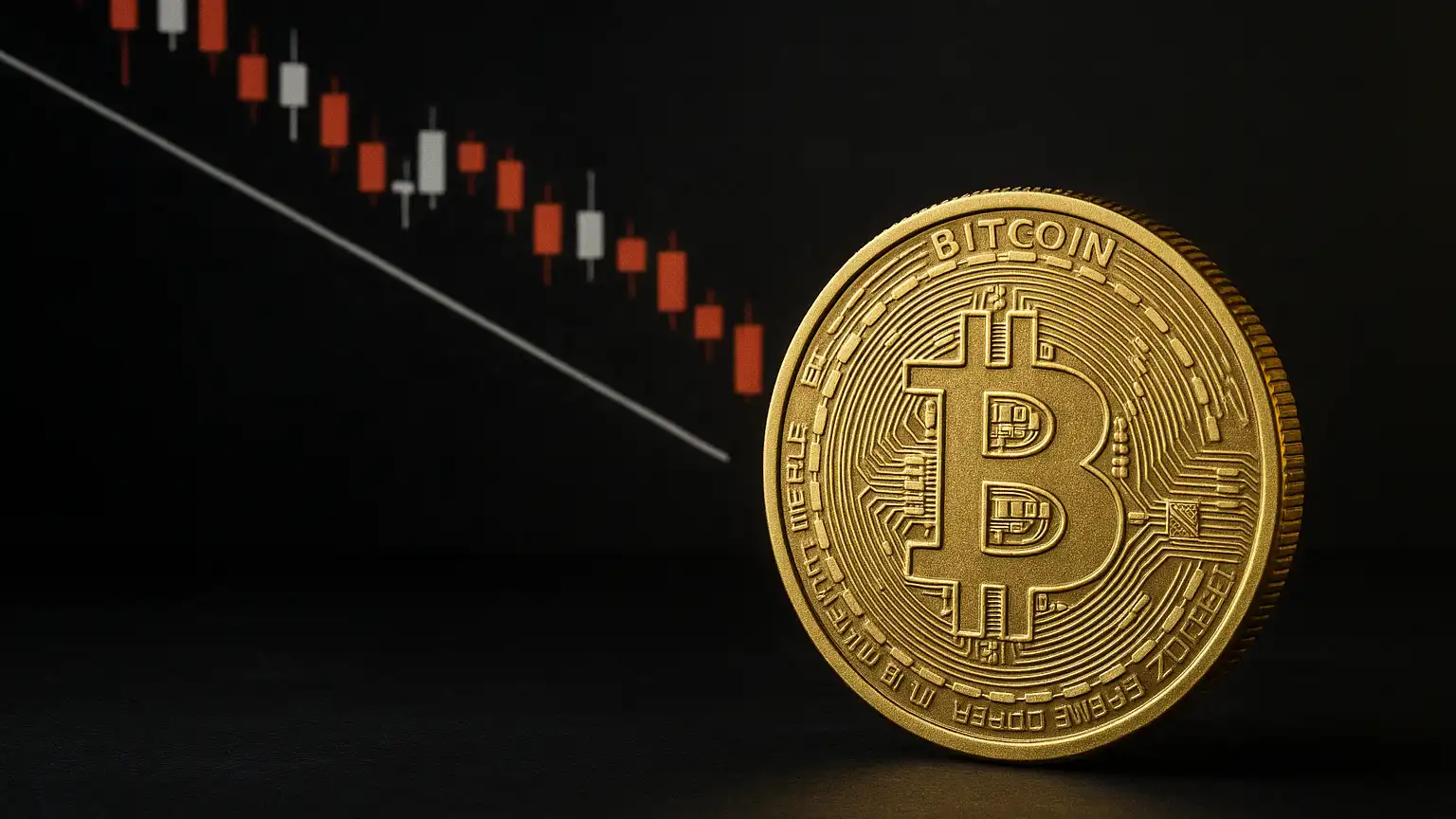
In the ever-volatile terrain of cryptocurrency, Bitcoin’s recent downward trend has caught many investors and analysts off guard. Contrary to typical patterns where miner sell-offs lead to price declines, the current Bitcoin downturn has occurred despite a reduction in miner sales. This counterintuitive scenario raises questions about the underlying market dynamics and the future of Bitcoin pricing.
Miner Selling Drops, Yet Price Keeps Sliding Lower
On-chain data clearly illustrates that miners, traditionally significant contributors to selling pressure, have retreated from active selling due to soaring operational costs. Analyst PelinayPA emphasizes that the primary causes include rising electricity costs, equipment expenses, and financing post-halving. With operational costs for large miners ranging between $34K-$43K, and the broader industry at $75K-$87K, many miners are hovering near breakeven or suffering losses.
A notable consequence of reduced miner activity is the tightening of Bitcoin supply. Typically, such conditions might suggest a bullish market turn. However, the conundrum lies in the absence of demand, which has left the Bitcoin market in a state of flux, trending downward despite lower selling pressure from miners.
Bitcoin Price Outlook Weak as Demand Fails to Appear
So, if miners aren’t the primary sellers, then who is? The answer isn’t straightforward. Various market forces, including investor sentiment, ETF flow decisions, whale activities, and macroeconomic trends, seem to contribute to the prevailing decline. Presently, market predictions from platforms like Kalshi signal expectations for further dips towards $48K, with technical analyses suggesting even lower levels around $39K. These insights portray a market in need of renewed investor interest or risk further depreciation.

The market’s current trajectory underscores the vital need for tangible demand rather than speculative narratives to stabilize and uplift Bitcoin prices. Without it, the seeming reduction in supply due to miner inactivity does little to secure a price recovery.
Conclusion: Navigating the Path Forward
Until demand resurfaces, Bitcoin’s price stability remains uncertain. Stakeholders in the cryptocurrency landscape must recognize that while miners contribute significantly to supply dynamics, broader market participation is essential for genuine price recovery. The market’s future hinges on this critical intersection of supply restraint and resurgent demand. Only then can we anticipate a market rebound or a new equilibrium for Bitcoin.
In the absence of this demand-driven turnaround, the cryptocurrency sector must brace itself for continued volatility as the interplay of multiple forces shapes the market outlook.