Recent Developments Impacting Peg Confidence
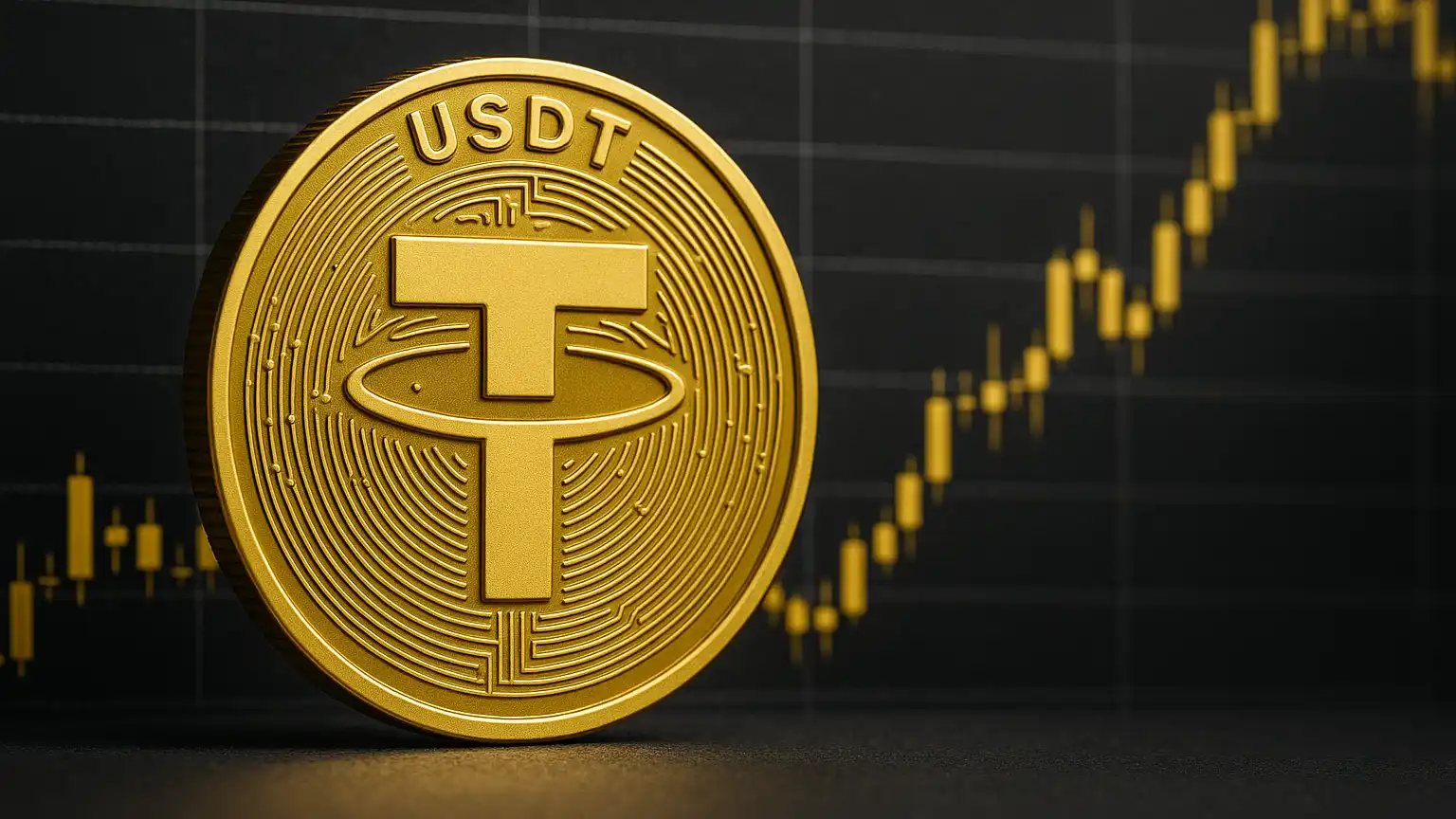
Tether has firmly cemented its position as the undisputed king of stablecoins, both in terms of supply and daily transaction volume. By late 2025, USDT’s market cap climbed to somewhere around $184-185 billion—absolutely dwarfing rivals like USDC. But with great size comes great scrutiny. S&P Global recently knocked down Tether’s credit rating, pointing fingers at what they see as riskier collateral sitting in those reserves. We’re talking corporate bonds, precious metals, Bitcoin holdings, and secured loans. Naturally, this sparked some chatter about whether Tether might be cutting it close on collateralization. That said, Tether itself maintains it’s sitting comfortably with excess reserves backing every USDT in circulation, and the company continues to turn a profit. So you’ve got this interesting tension—tons of confidence from users, but also heightened sensitivity whenever negative headlines pop up.
Meanwhile, the regulatory landscape is shifting fast. Tether’s got plans to roll out USAT, a U.S.-compliant stablecoin under the GENIUS Act framework, targeting a launch before 2025 wraps up. This American version is basically Tether’s answer to institutional hand-wringing and regulatory pressure stateside. At the same time, we’ve seen some interesting migration patterns in the broader stablecoin market. Synthetic stablecoins took a beating in November with major outflows, while good old-fashioned fiat-backed tokens like USDT and USDC soaked up fresh demand. All of this plays into how traders and institutions think about USDT’s reliability and risk profile going forward.
Technical Indicators & Price Behavior
Here’s the thing about analyzing USDT from a technical standpoint—it’s designed to just sit there at a dollar. Boring, right? Any movement beyond a tiny band around $1.00 is usually brief and driven by supply shocks, macro headlines, or nerves about reserve quality rather than traditional price momentum. Right now, USDT is trading pretty much exactly where it should be: one dollar. When you run the numbers on various technical indicators, you mostly see neutral readings with maybe the occasional tiny wobble:
- The RSI (14-day) is hovering around 55-57. That’s basically dead center—no overbought or oversold pressure whatsoever. For a stablecoin, an RSI near 50 is exactly what you’d expect and want to see.
- Moving averages across the board—whether you’re looking at the 5-day, 20-day, or even the 200-day—are all clustered right around that $1.00 mark. Any small bumps get smoothed out fast by market makers and arbitrageurs doing their thing.
- Stochastic and Williams %R oscillators will occasionally flash an oversold or overbought signal, but these flip back to neutral within hours or days. No sustained trends develop because, well, it’s a stablecoin.
- MACD and ADX readings show almost no trend strength. Low directional movement is par for the course when you’re dealing with a pegged asset.
Potential Triggers of Deviations
Even though the technicals stay rock-solid most of the time, certain events can knock USDT slightly off its peg. Big reserve disclosures that reveal exposure to volatile assets, regulatory moves that mess with redemption or issuance mechanics, exchange wallet freezes, or panic withdrawals during market meltdowns—any of these can create temporary dislocations.
Forecast & Price Pressure Zones
Given how the peg mechanism works and what we know about USDT’s reserves, the forecast is pretty straightforward: continued stability with only tiny deviations—usually within plus or minus 0.1%—unless something really wild happens. The key levels worth watching as potential pressure zones sit around $0.995 on the downside and $1.005 on the upside. If either of those levels gets breached and stays breached for a while, that’s telling you something about external stress rather than any technical trend developing.
- If reserve credibility takes a serious hit—say, some bombshell negative news drops—USDT could slip below $0.995 temporarily as people rush to redeem their tokens for actual dollars.
- On the flip side, crystal-clear regulatory guidance or a flood of institutional money could tighten supply enough to nudge USDT above $1.005. But that usually gets corrected pretty quick by arbitrage traders capitalizing on the spread.
Looking at current technicals, the macro picture, and steady demand, traders and risk managers should really be planning for minimal volatility with the odd short-lived blip. The things to keep your eyes on: reserve attestation reports when they come out, regulatory developments (especially anything touching the GENIUS Act rollout), big mint or burn events, and liquidity conditions across different blockchain networks where USDT operates—especially the less active ones.
Investor Implications & Risk Cases
If you’re hunting for stability, USDT remains one of your safest bets in the stablecoin universe. Its dominance in payment volume is just staggering—we’re talking north of 90% of stablecoin payment transactions in many reports—and those excess reserves provide a solid cushion. But let’s not pretend the risks aren’t real. Changes in reserve composition, regulatory curveballs, and competition from yield-bearing stablecoins that might tempt users away—these are all legitimate concerns worth monitoring.
In a worst-case scenario, if the peg broke below -0.5% and stayed there for days, you could see redemption runs start to snowball or regulators stepping in to ask uncomfortable questions. On the upside, excess demand might create a minor premium above the peg, but existing arbitrage mechanisms typically squash that pretty fast.
For the more sophisticated crowd, your best early warning system is watching on-chain USDT issuance and redemption flows closely, alongside those off-chain reserve disclosures. That’s where you’ll spot trouble brewing before it hits the price.