USDT Market and Regulatory Context
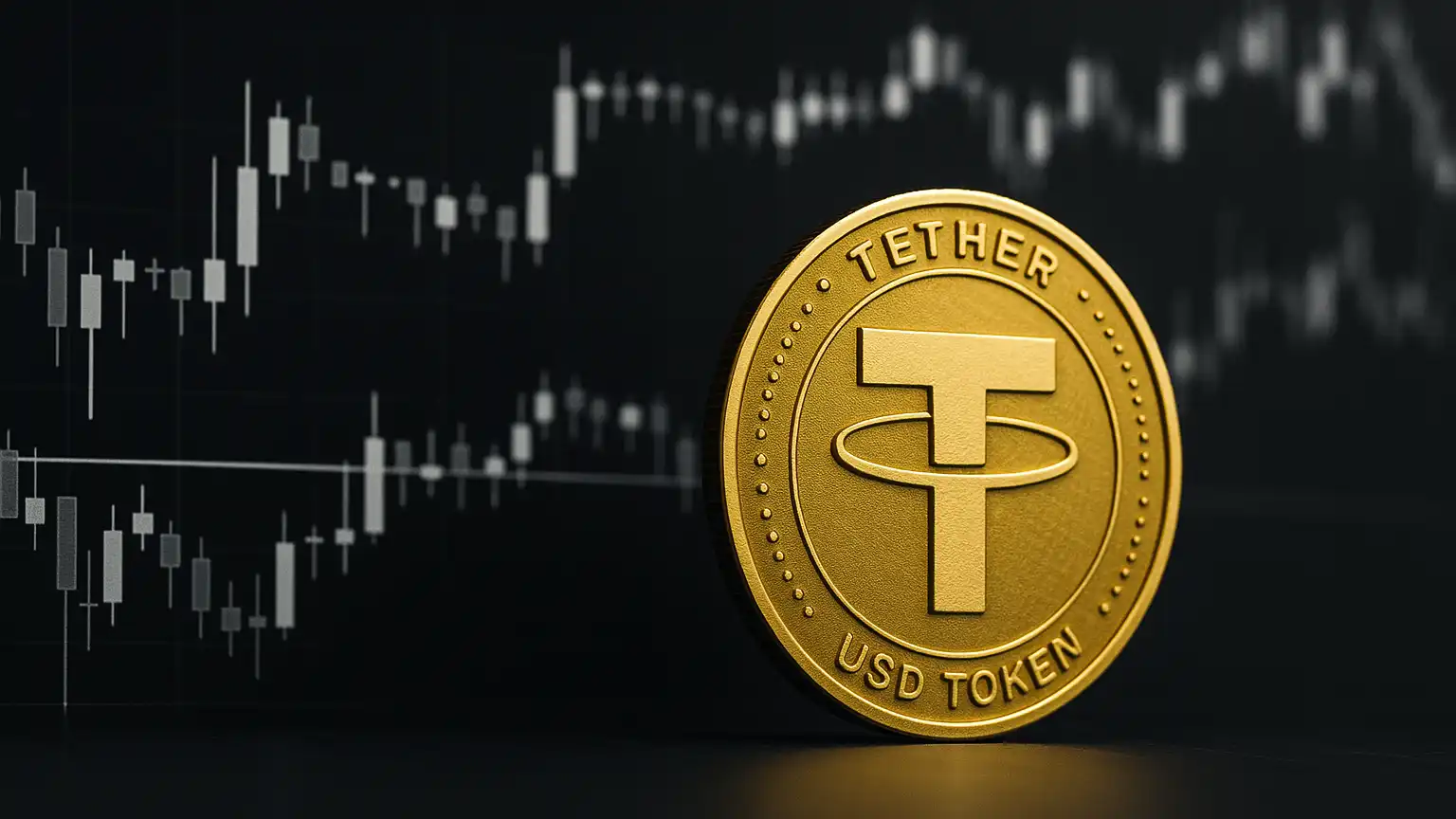
Tether (USDT) continues to hold its position as the dominant stablecoin in the crypto ecosystem, hovering right around $1.00 USD with typical daily swings staying within half a percent either way. That kind of tight range is exactly what you’d expect from a properly functioning stablecoin—arbitrage traders jump on any meaningful deviation and quickly push prices back toward parity. Over the past day, USDT has nudged down by roughly 0.06% against the dollar, occasionally dipping just under the peg before buyers step in to restore balance. Trading volumes remain massive, underscoring just how central USDT has become to liquidity and settlement across crypto markets.
Recent regulatory headlines have definitely influenced market sentiment. The FDIC made it crystal clear that stablecoins like USDT don’t enjoy deposit insurance—they’re fundamentally different from traditional bank deposits. Meanwhile, Tether has been making noise about launching a new, fully compliant US-regulated stablecoin called “USAT,” designed to fit neatly within evolving regulatory frameworks like the proposed GENIUS Act. These announcements signal both a defensive posture against regulatory risk and a calculated bet on where the regulatory landscape is heading.
Technical Indicators & Short-Term Outlook
Technically speaking, USDT charts are about as exciting as watching paint dry—which is actually a good thing for a stablecoin. Moving averages across all timeframes, from five days out to two hundred, sit essentially flat. MACD and RSI readings hover in neutral territory. Momentum indicators like Rate of Change show the tiniest uptick, perhaps hinting at marginal buying interest, but nothing remotely suggesting a breakout. The MACD line barely budges from zero with no meaningful divergences in sight. What all this really tells us is that the market expects USDT to keep dancing around that dollar peg, with support and resistance levels crammed into an incredibly narrow band.
Looking ahead over the next day or three, we’re likely to see prices stick within a $0.9980 to $1.0020 corridor unless something unexpected lands—a macro shock or regulatory bombshell, for instance. Any moves beyond that range should be short-lived, as arbitrageurs pounce on the discrepancy. The robust trading volume we’re seeing reinforces this view: when volume is high, deviations from peg tend to get corrected fast.
Resistance Triggers & Deviation Risks
The main threat to stability would be a confidence shock—maybe leaked concerns about reserve quality or an aggressive regulatory crackdown. Right now, the biggest worries center on potential declines in liquid cash reserves or excessive exposure to less transparent assets backing USDT. On the flip side, regulatory green lights for “USAT” or similar projects could temporarily boost sentiment around Tether’s broader ecosystem, though any such effect would likely be incremental rather than dramatic.
Drivers for Medium-Term Price and Utility Stability
Looking out over the next several weeks or months, what matters most for USDT isn’t traditional price action—it’s regulatory clarity, reserve transparency, and continued expansion across different blockchain networks. Tether has been steadily building out infrastructure like wallet development kits, supporting newer protocols like RGB, and launching native versions across multiple chains. All of this technical groundwork strengthens the utility case and, by extension, trust in the token.
Reserve composition deserves close attention. While Tether still holds substantial cash positions, there’s been some drift toward less liquid assets and secured loans. That’s not necessarily a red flag right now, but it’s definitely something to monitor for longer-term peg integrity. We’ve also seen USDT’s overall market cap contract slightly, which might indicate slower growth or some capital rotating toward more regulated alternatives—though seasonal flows could just as easily explain the shift.
Forecast Ranges Based on Scenarios
Bullish Scenario: If regulatory frameworks become clearer and Tether delivers strong, transparent reserve attestations, USDT should hold steady right at the dollar mark with deviations under 0.2%. Its role in DeFi and as a settlement layer would deepen, cementing its leadership among stablecoins.
Neutral Scenario: Most likely, we’ll see USDT bouncing between roughly $0.997 and $1.003, with occasional minor volatility on specific chains or exchanges but no systemic stress.
Bearish Scenario: Serious reserve concerns, regulatory enforcement actions, or the emergence of heavily regulated competitors like USAT could push USDT into more sustained deviations—half a percent or more—and periodic discount trading.
Investor Implications & Strategic Insight
For traders and institutional players, USDT functions best as a utility—a bridge currency and liquidity tool—rather than a speculative asset. The focus should be on monitoring peg stability, watching reserve disclosures, tracking liquidity across different blockchains, and staying ahead of regulatory developments. Critical signals to keep an eye on include formal audits of Tether’s reserves, progress on US stablecoin legislation (especially anything touching USAT or similar projects), and any sharp changes in the cash versus non-cash components of reserves.
For arbitrage traders, tiny deviations from peg offer real opportunities thanks to high volume and tight spreads. But taking larger directional bets only makes sense if confidence shifts materially—either positively or negatively—or if external pressures emerge. For those seeking long-term stability, holding USDT as a cash equivalent makes sense; traders holding oversized USDT positions relative to other USD-backed options should weigh regulatory tail risks carefully.
Emerging Trends to Watch
The growing push for interoperability—especially through protocols like RGB that bridge Bitcoin and other ecosystems—could significantly boost USDT’s utility in Bitcoin-adjacent environments. Meanwhile, competition from tightly regulated stablecoins in the US, EU, or Asia might chip away at demand if investors start favoring assets with federal backing or something resembling deposit insurance. Finally, transparency initiatives—public disclosure of reserve breakdowns, stress testing results—could become the deciding factor in maintaining market trust going forward.