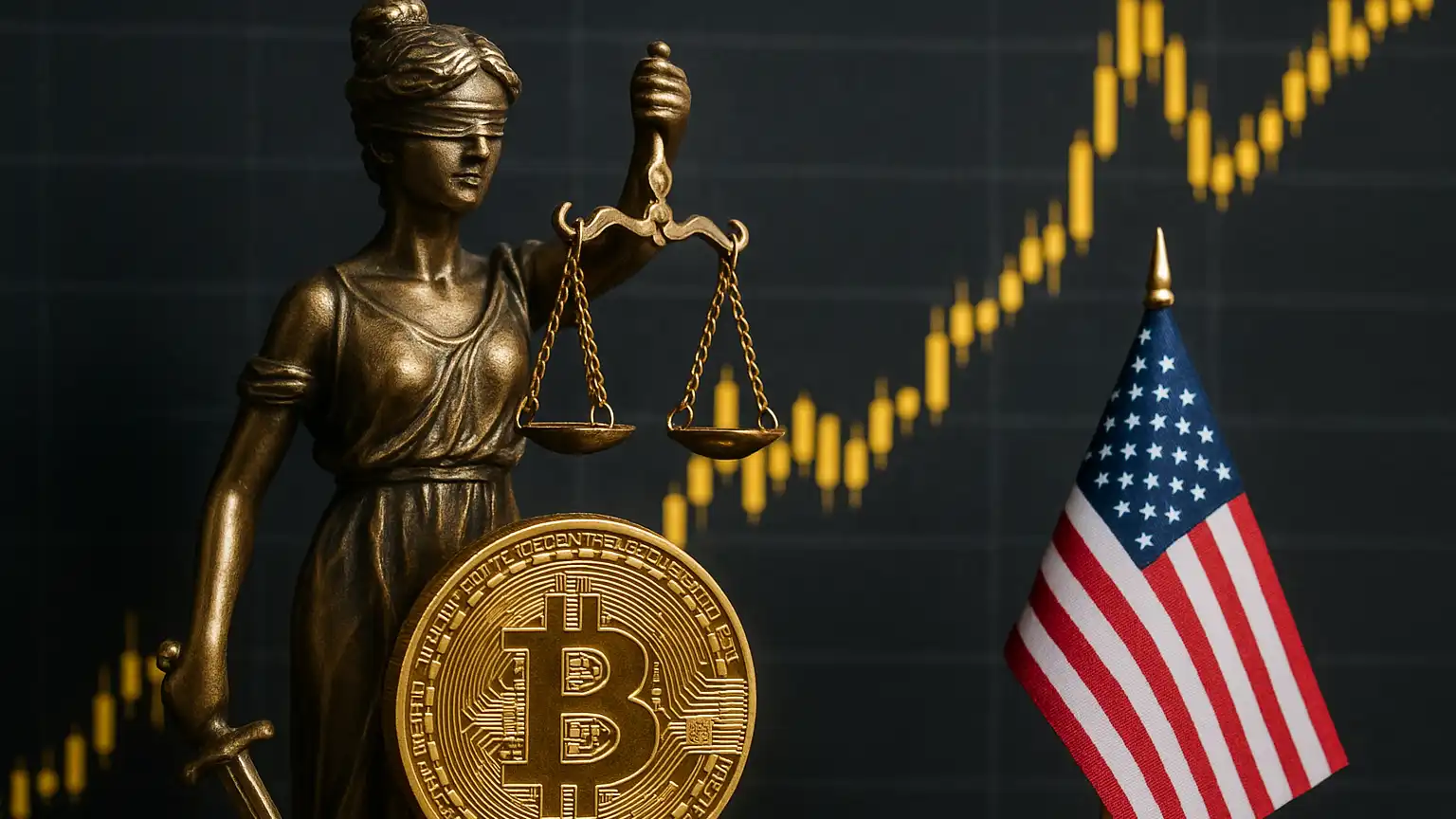
This week has marked significant strides in the regulatory landscape for cryptocurrency in the United States, drawing keen attention from industry players and policymakers alike. Central to this progress are the events transpiring around the CLARITY Act and a pivotal Congressional hearing on tokenization, positioning the country at a possible turning point for digital asset integration into traditional finance.
The Stablecoin Standoff Is Over – Almost
Senators Thom Tillis and Angela Alsobrooks have announced reaching an “agreement in principle” concerning stablecoin yield, a critical provision that has previously stymied the progress of the Digital Asset Market Clarity Act. The principal contention was rooted in banks’ concerns that the allowance of stablecoin platforms to provide rewards could result in deposit migration away from conventional banks. This issue, at least in principle, now appears to have been surmounted, setting a stage for broader legislative collaboration.
Senator Alsobrooks told Politico:
“We’ve come a long way. And I think what it will do is to allow us to protect innovation, but also gives us the opportunity to prevent widespread deposit flight.”
Although cautiously optimistic, Senator Tillis has emphasized the importance of further engagement with industry stakeholders to finalize the details before moving forward. It remains a pivotal step toward harmonizing the interests of the traditional financial system and emerging digital finance technologies.
The Window Is Narrow
With the stablecoin yield compromise now in place, the targeted timeline for the Senate Banking Committee’s markup is projected for mid-April, post the Easter recess. The sense of urgency couldn’t be more pronounced, as Senator Bernie Moreno cautions that failure to pass the bill by May could stall digital asset legislation, potentially shelving it indefinitely amid other pressing legislative priorities.
This timing is crucial given the ongoing pressures, including unrelated legislative focuses like the Republican voter-ID bill and geopolitical considerations such as the Iran conflict. Additional outstanding issues like DeFi treatment and community bank deregulation further complicate the legislative outlook.
Spotlight on Tokenization and Future Securities
Coinciding with these developments is the House Financial Services Committee’s scheduled hearing on March 25, 2026, titled “Tokenization and the Future of Securities: Modernizing Our Capital Markets.” The hearing, featuring testimonies from noted industry figures such as Blockchain Association CEO Summer Mersinger, aims to dissect how tokenization can be woven into the framework of U.S. financial markets.
This hearing stands as one of the most authoritative assemblies on tokenization to date, featuring a convergence of lawmakers and market players exploring the integration of blockchain technologies into the mainstream financial milieu.
These back-to-back developments, however, reflect a broader momentum in crypto legislation seen in the recent classification by the SEC and CFTC of 16 crypto assets as digital commodities. It’s a decisive regulatory action that underscores a shifting policy environment in Washington, animating the potential for significant progress in U.S. crypto regulation.