Current Price Landscape & Market Overview
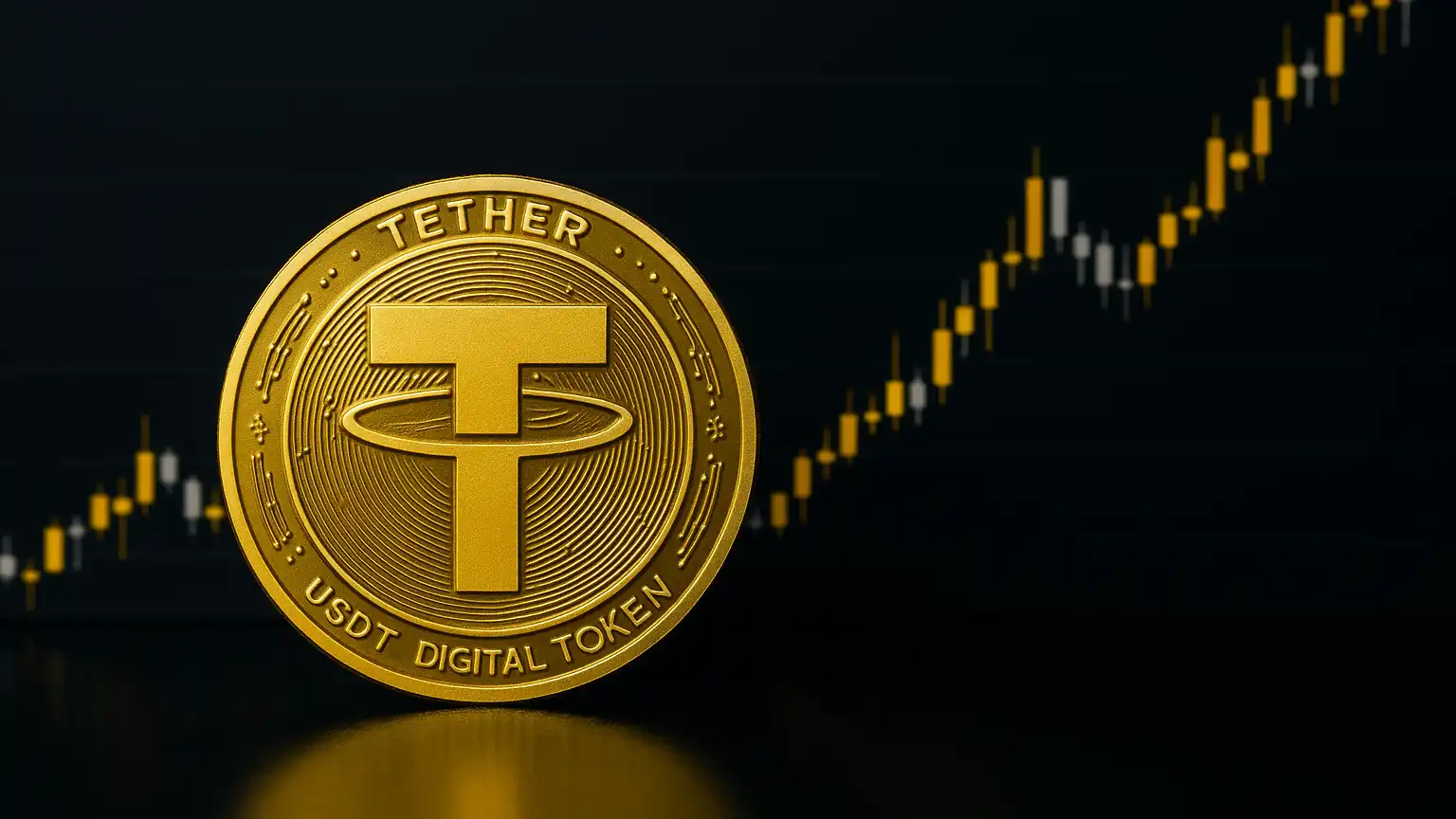
Tether (USDT) is the go-to stablecoin for traders and institutions alike, currently hovering right around its intended $0.9995–$1.00 peg. There’s barely any movement to speak of—we’re talking about a microscopic –0.03% change over 24 hours and basically flat performance across the week. That’s exactly what you’d expect from a stablecoin. It’s not meant to be exciting; it’s meant to be reliable. Trading volume stays impressively high, which tells us people are using it for what it does best: maintaining liquidity, settling trades, and managing risk when everything else is going haywire.
The broader crypto market is another story entirely. With the Federal Reserve keeping everyone guessing about interest rate cuts and inflation data painting a mixed picture, investors are playing it safe. Bitcoin and Ethereum have taken hits, and altcoins are getting roughed up too. Meanwhile, Tether just sits there doing its thing—holding steady at a dollar. When the market gets choppy, USDT becomes the safe harbor everyone runs to.
Technical Indicators & Price Prediction
Here’s the thing about analyzing Tether from a technical standpoint: it’s fundamentally different from analyzing something like Bitcoin or Ethereum. We’re not looking for breakouts or momentum plays. We’re looking at whether it stays glued to that $1.00 mark. And right now? All signals point to yes.
- Moving Averages: Every moving average you’d typically check—20-day, 50-day, whatever timeframe you prefer—they all cluster right around a dollar. There’s no trend to follow because there shouldn’t be one. If USDT ever breaks away from $1.00 by more than half a cent in either direction, something’s gone wrong. That would likely mean regulatory trouble or genuine concerns about the peg breaking, not normal market action.
- Bollinger Bands and Band Squeeze: The bands are squeezed tighter than just about any asset you’ll find. That’s ultra-low volatility in visual form. If those bands suddenly widen, it means something unexpected is happening—either panic selling pushing it below $0.995 or unusual buying pressure above $1.005. But as things stand, we’re looking at more of the same narrow trading.
- Volume & Market Depth: The order books are deep and the spreads are tight, which is exactly what keeps the peg stable. Sure, if you see massive sell walls appear or sudden buying spikes, you might get brief price slippage. But the whole system is designed to snap back to $1.00 through arbitrage and the backing reserves.
Scenario Forecasts Based on Indicator Signals
So what’s likely to happen next? Let’s be realistic about this:
- Stable Continuity: This is your baseline expectation. USDT will probably stay between $0.9990 and $1.0010 for the foreseeable future. The peg holds because it has strong collateral backing and because arbitrage traders jump on any deviation immediately. If it dips to $0.998, people buy it knowing it’ll return to $1.00. If it hits $1.002, people sell knowing the same thing.
- Minor Disruption Event: Could something shake things up? Sure. A massive rush to withdraw from exchanges, sudden regulatory action, or a liquidity crunch could temporarily push USDT outside its normal range. But even in these scenarios, the mechanisms built into the system—both automated and manual—should bring it back to peg relatively quickly. It’s happened before, and recovery has been swift.
Risks, Stability Factors, and Implications for Users
Just because USDT is designed to be stable doesn’t mean it’s risk-free. The big questions around Tether have always been about what’s actually backing it and how much regulatory scrutiny it faces. If authorities decide to crack down on stablecoin reserve requirements or if there’s some kind of banking system stress, USDT could face temporary liquidity problems. Plus, there’s growing competition from other stablecoins and even central bank digital currencies that could chip away at market share over time.
For everyday users and traders, USDT’s stability makes it perfect for parking value when the market gets wild, using it as a trading pair, or hedging against volatility. Just keep in mind that if you’re moving large amounts, especially between different exchanges, you might see small price differences depending on liquidity. For institutions holding significant positions, it’s worth staying on top of Tether’s audit reports and reserve disclosures to understand exactly what counterparty risk you’re taking on.