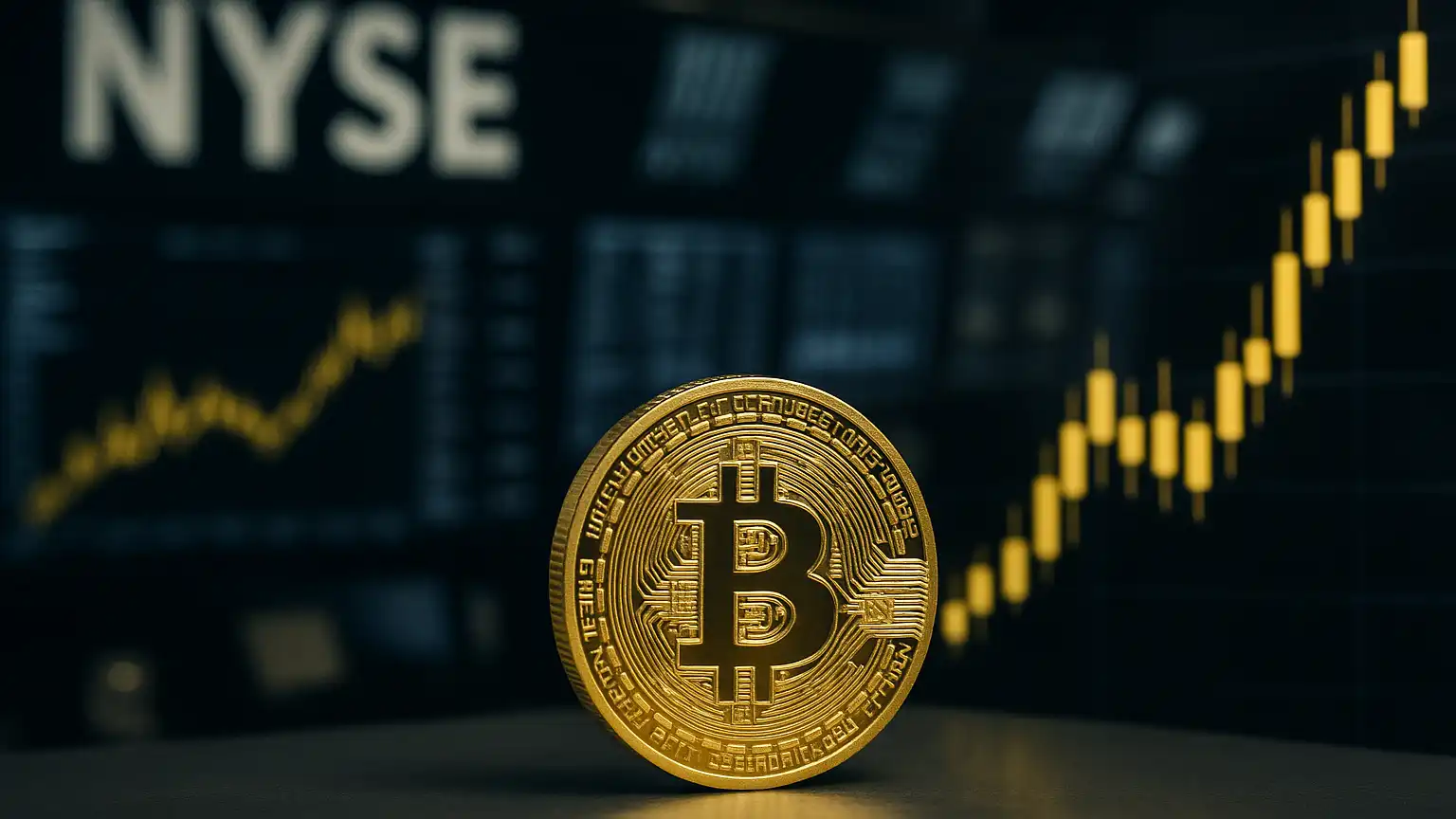
In a groundbreaking move set to redefine the trading landscape, the New York Stock Exchange (NYSE) has partnered with Securitize to launch a 24/7 trading platform for tokenized stocks and exchange-traded funds (ETFs). This innovative platform aims to merge the robustness of blockchain technology with the traditional mechanisms of securities trading, promising to usher in an era where trading never sleeps.
The Launch of the 24/7 Trading Platform
The NYSE-Securitize collaboration marks a new chapter in the financial markets. Tokenization of stocks and ETFs involves the creation of digital tokens that represent shares, potentially allowing for faster, more efficient, and transparent trade settlement processes. By employing blockchain technology, this initiative promises instant settlement and stablecoin payment options, significantly cutting down the time and cost of current trading settlements.
Securitize, taking up the mantle as the NYSE’s first digital transfer agent, will oversee the issuance and management of digital shares. This role is critical in ensuring not just the smooth operation of the platform but also the security and reliability of the digital trading ecosystem.
Market Impact and Community Reactions
Financial markets have been abuzz with reactions since this announcement. The promise of non-stop trading is seen as a potential game-changer, increasing liquidity and enabling investors to respond instantly to global events outside traditional trading hours. While some financial analysts hail this as a step toward the inevitable digitization of all assets, others raise concerns regarding regulatory challenges and market volatility with continuous operations.
Implications for Traditional Security Trading
The introduction of 24/7 trading could place pressure on traditional exchanges and regulatory bodies to evolve rapidly. Market observers note that as technological advancements accelerate, market participants will increasingly demand more agile trading infrastructures. Experts are calling for comprehensive regulatory frameworks that can balance innovation with investor protection in these digital marketplaces.
Moreover, this development casts a spotlight on the role of blockchain as a transformative force in financial transactions. With its potential for enhancing transparency and reducing transactional friction, blockchain integration in stock exchanges could compel more financial institutions to explore digital transformation aggressively.
As the NYSE and Securitize set the stage for a new type of trading experience, the financial world watches closely. Will this be the blueprint for future trading platforms or merely a prelude to more radical innovations ahead? Only time will tell, but the possibilities are certainly intriguing.