
Current State & External Factors
GOHOME is currently displaying some pretty wild price differences depending on where you look—CoinGecko has it listed around $97.89, CoinMarketCap shows $99.09, while the figure of $84.42 sits significantly below what most live markets are reporting. This lower number could be coming from a trading pair with barely any liquidity, or it might just be outdated data.
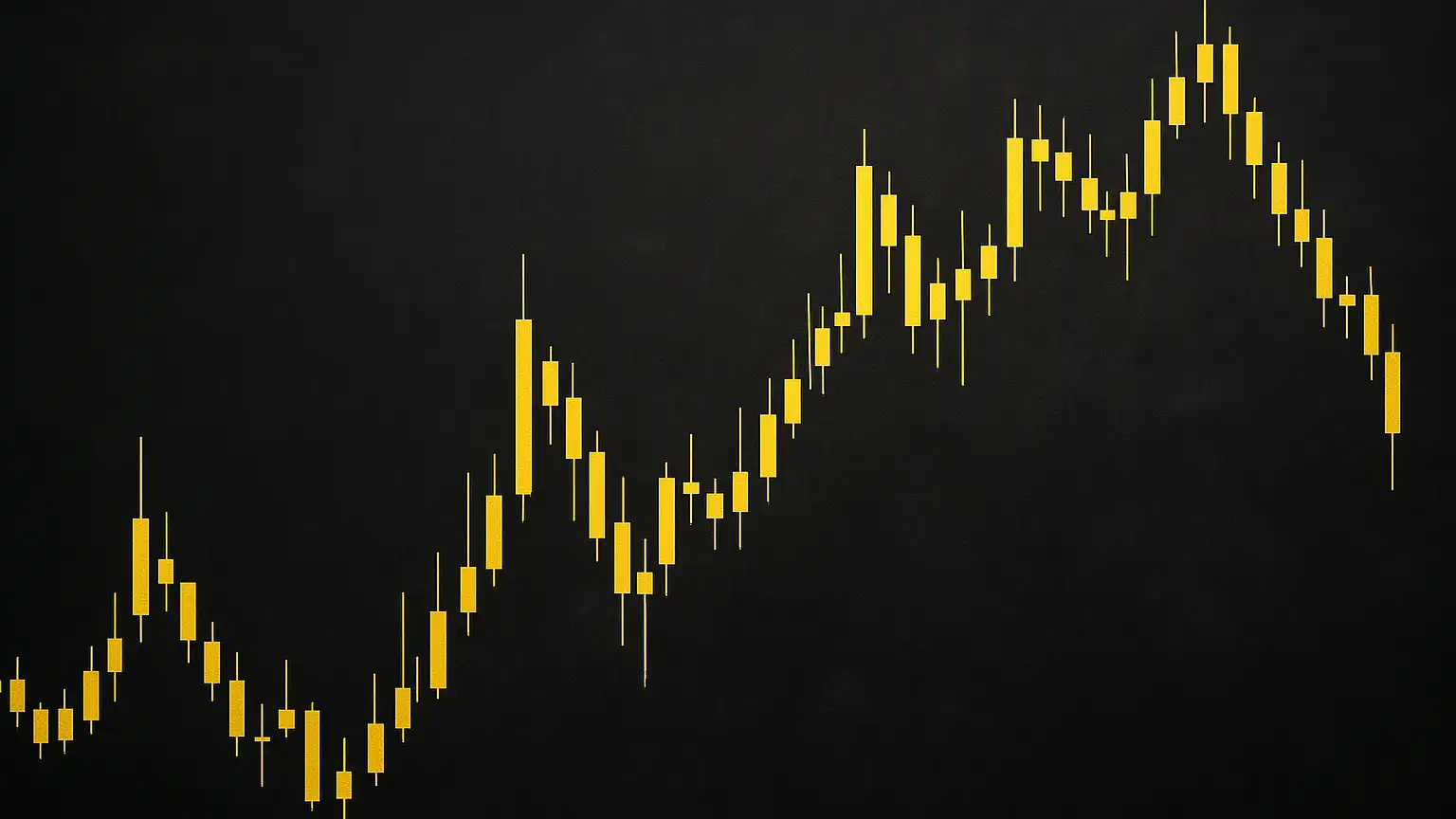
The token has dropped roughly 4% in the last 24 hours, and when you zoom out to the weekly view, things look worse—down somewhere between 10-15%. That’s a clear downtrend. What’s really eye-opening is that GOHOME actually peaked near $277.70 back in late March 2025, meaning it’s fallen over 60% from that high.
A big part of the problem here is weak trading volume—we’re talking under $2 million across most exchanges—combined with a highly concentrated supply. There are only about 500,000 tokens floating around out of a total supply of 10 million, which creates shallow market depth and makes the price vulnerable to sudden swings.
GOHOME started as a meme coin, which drives a lot of the community vibe, but when it comes to real fundamentals like actual adoption, utility, or meaningful protocol updates, there’s not much to go on. Without those kinds of catalysts, it’s tough to see what’s going to fuel a strong rally.
Technical Indicators & Price Prediction Scenarios
Unfortunately, reliable candlestick data for GOHOME/USDT is hard to come by on most exchanges, so we’re working with what we have—support and resistance levels, volatility patterns, and how far it’s fallen from its peak. Looking at the numbers, the near-term trading range seems to be somewhere between $90 and $110. CoinGecko’s 24-hour range puts resistance around $100 and support closer to $96.
That 10% single-day drop suggests the token might be oversold right now. If we had an RSI reading, it would probably be sitting below 40, maybe even dipping into the 30s on bigger exchanges. This kind of condition often sets up a bounce toward short-term resistance, as long as there’s no fresh bad news. Of course, you’d want to see volume pick up to confirm any real momentum.
Looking ahead one to three months, the picture isn’t particularly encouraging. The sustained decline from the all-time high, paired with shrinking volume, points to more downside risk. Some traders are eyeing a move down to the $80-$90 range within a month, with the possibility of hitting $40-$60 in three to six months if nothing changes on the fundamental side—like better project developments or new exchange listings.
Now, if GOHOME does manage a bullish reversal—breaking decisively above $110 with solid volume and holding above $100—there’s an outside chance it could climb back toward $150 or even $200. But given how things are moving right now, that seems like the less likely scenario.
Key Levels to Watch
Support Zones: Look for the $80-$90 area as the first line of defense, with more serious support sitting around $70 if selling pressure really ramps up.
Immediate Resistance: The $100-$110 zone is where sellers are likely waiting, with the next hurdle up around $150.
For anyone trading short-term, a stop-loss just below $80 makes sense to cap your downside. If you’re playing for a longer-term recovery, you’ll want to wait for a confirmed break above $110 with conviction before jumping in.
Implications & Broader Risk Factors
Being a meme coin means GOHOME lives and dies by sentiment swings—its value comes more from community hype than from any real underlying use case. That makes it extra sensitive to social media trends, token unlock events, or unexpected regulatory news. If big holders decide to dump their bags or something negative hits the news, the price could crash right through technical support levels.
On the flip side, without positive developments or concrete milestones, meme coins like this tend to lose steam during broader market downturns. When holders lose interest and liquidity dries up further, the token can become even harder to trade.
For anyone thinking about investing, the risk-to-reward ratio only really starts looking decent if GOHOME can prove it can hold above key resistance levels with meaningful volume behind it. If you’re considering a speculative position, keep the size small and be prepared for volatility.