Current Context and Market Signals
Ribbita by Virtuals (ticker TIBBIR) has taken a pretty hard hit lately, dropping about 7.85% in just 24 hours to settle around $0.17. Interestingly, some other data sources show the price closer to $0.25, which probably comes down to timing differences or variations in how different platforms calculate their prices. Either way, the overall mood in the market is definitely bearish right now.
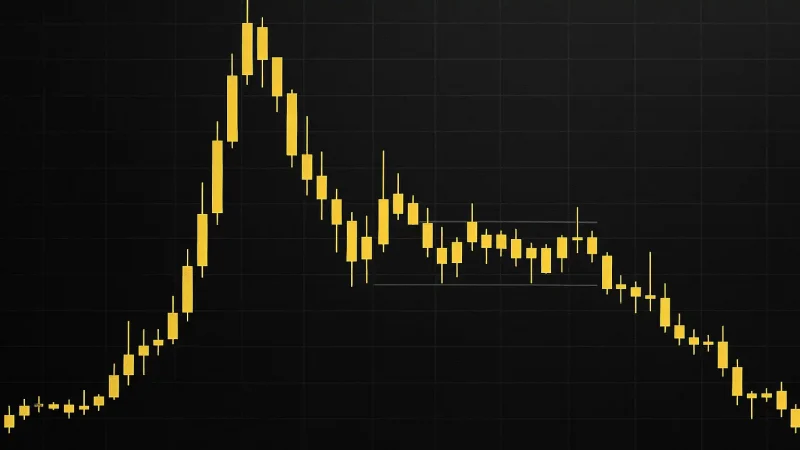
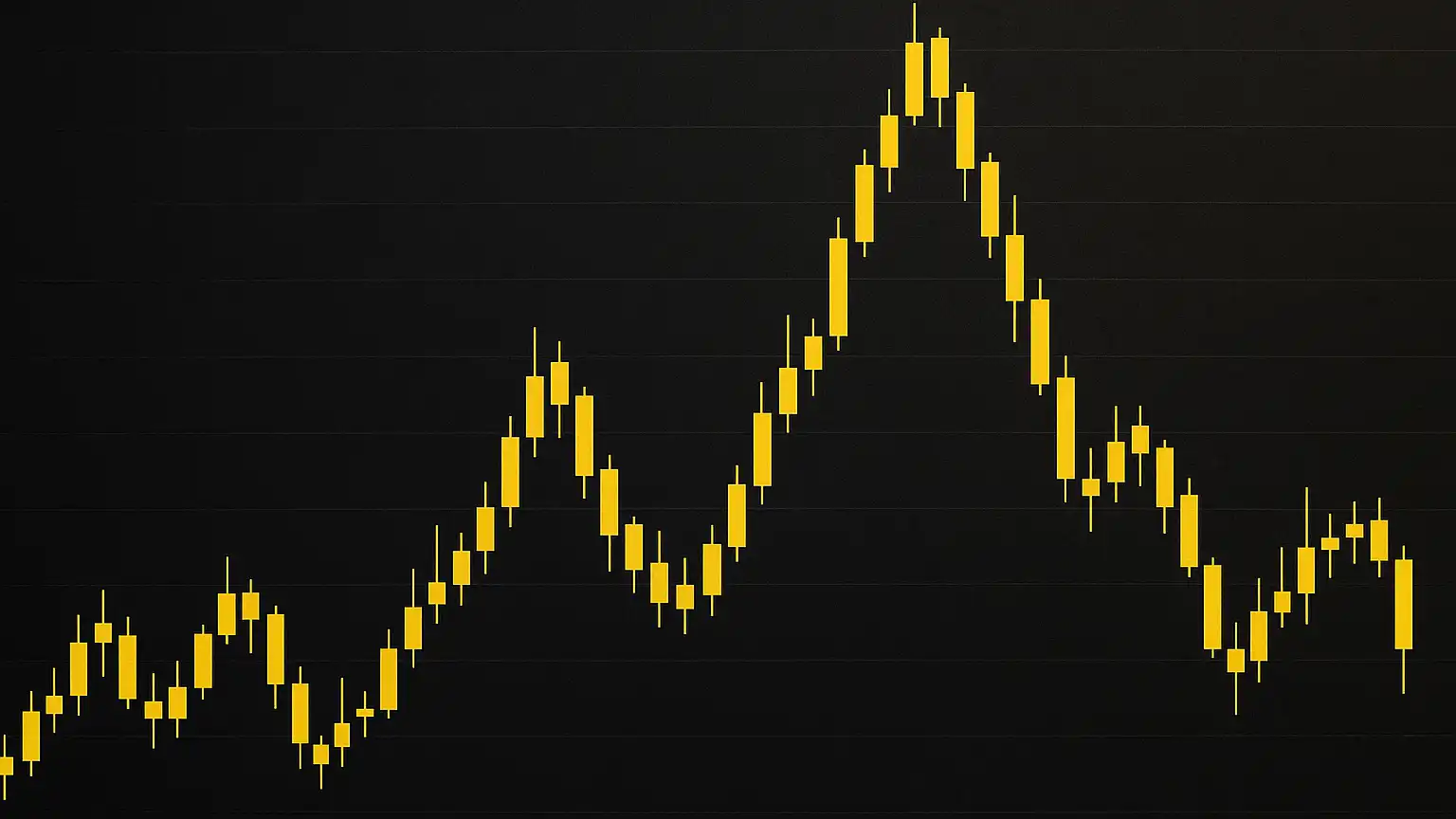
Looking at the bigger picture, TIBBIR has had a rough week, losing around 38% of its value against USDT based on daily closing prices. The token hit its all-time high of about $0.44 back in late October 2025, and we’re still pretty far from those levels. Right now, the price is struggling to break through key moving averages and resistance zones. The RSI is sitting somewhere between the mid-30s and 50, which means we’re not seeing extreme conditions either way, but there’s definitely a bearish lean to things.
Technical Indicator Analysis
Support Levels: Looking at recent trading patterns, there are a few important support zones to keep an eye on: $0.1666, $0.1759, and $0.1837. These price points have held up pretty well during previous pullbacks, so they matter.
Resistance Levels: On the flip side, the first real resistance sits around the pivot point at $0.1930, with stronger barriers at $0.2008 and $0.2179. If the price can push through these levels with solid volume backing it up, we could see some upward movement.
Moving Averages and Momentum Indicators: The 50-day simple moving average is hovering around $0.168 to $0.17 for the next few weeks, meaning TIBBIR is trading right around that medium-term trendline. The 200-day SMA sits much higher, which tells us the longer-term trend is still bearish. The 14-day Relative Strength Index is hanging out in neutral territory at around 40-50, showing that neither buyers nor sellers are really taking charge, though recent drops suggest momentum is pretty weak.
Price Prediction Scenarios (Short to Mid-Term)
Bullish Case
For TIBBIR to turn things around, we’d need to see a break above that $0.1930 to $0.200 resistance zone, backed by solid trading volume and some positive news about the ecosystem—maybe new protocol integrations or growth in agent-gas utility. If that happens, the price could make a run toward $0.22 to $0.25. But this would need confirmation with daily or hourly candles closing above resistance levels.
Bearish Case
If support around $0.1666 to $0.1759 gives way, we could see TIBBIR slide further down to the $0.14 to $0.15 range. Things could get worse if traders start bailing out because competitors are doing better, or if the broader crypto market stays risky. With thinner liquidity, any large sell orders could really accelerate the decline.
Neutral/Consolidation Case
Honestly, the most likely scenario in the short term is that TIBBIR just trades sideways between $0.17 and $0.20. If neither bulls nor bears can take control, we’ll probably see the price bounce between support and resistance in this channel. Traders should watch for RSI dipping toward 30 for potential oversold bounces, and keep an eye on MACD histogram shifts for early signs of trend changes. Worth noting that market sentiment is leaning bearish right now, with roughly 58% bearish versus 42% bullish.
Implications for Investors and Key Watch Points
If you’re holding TIBBIR or thinking about buying in, your best bet is probably to wait for prices near those strong support zones around $0.17 or lower, and use tight stop-losses to protect yourself. The risk-reward looks better if you can pick it up around $0.14 to $0.16 with an eye on testing $0.20 or higher. Breaking through resistance would be a good sign, but the upside might be limited to around $0.25 unless the overall market conditions improve.
Things to keep your eye on: any upcoming protocol updates or announcements from Virtuals about AI agent integration or gas utility improvements; changes in liquidity or trading volume around key price levels; shifts in market sentiment toward infrastructure tokens versus narrative-driven assets; where Bitcoin and Ethereum are heading; and technical indicator confirmations like MACD crossovers, RSI divergence, or moving average alignments.