Market Context & Recent News Developments
Right now, WOULD is trading at around $0.04175 USDT, down about 0.66% over the past 24 hours. The price has been pretty quiet, and trading volume is low. There haven’t been any big announcements lately—no protocol upgrades, new partnerships, or regulatory news—so it looks like the current price movement is just following general market trends rather than anything specific to WOULD itself. When there’s not much news to go on, technical indicators become our best tool for figuring out where the price might head next.
Technical Indicators Driving Short- and Medium-Term Projections
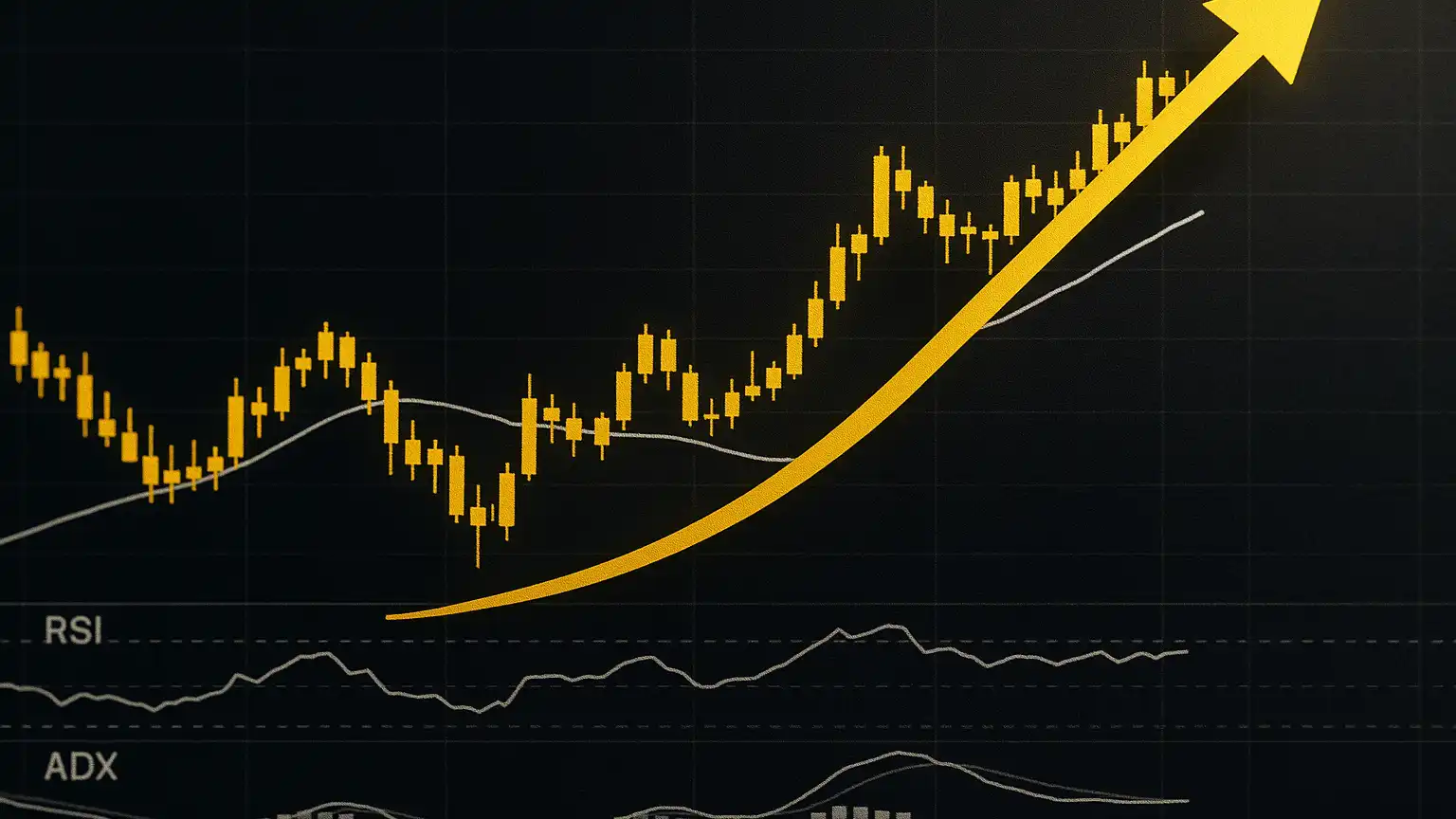
Since we don’t have much live data or breaking news to work with, we’re focusing on the classic technical analysis tools: moving averages, RSI, MACD, Bollinger Bands, and key support and resistance levels. These indicators help us map out what might happen with WOULD over the next few days and weeks.
Moving Averages & Trend Bias
WOULD’s price is currently sitting below its short-term moving averages—the 10-day and 20-day marks—which tells us there’s a bearish trend in the near term. The 50-day moving average is probably above the current price too, adding to this cautious outlook. For the momentum to shift bullish, we’d need to see the price break above these short-term averages and hold there. The 50-day MA could act as a ceiling, at least at first.
Relative Strength Index (RSI) & Momentum
With the slight price drop we’re seeing, the RSI is probably hovering in neutral to slightly oversold territory—somewhere between 40 and 50. It’s not showing anything extreme yet, which means there could be more downside before we see a meaningful bounce. If the RSI drops below 30, that would signal a stronger oversold condition, which often brings in buyers looking for a bargain.
MACD & Possible Signals of Reversal
The MACD histogram is likely showing negative momentum right now, with the MACD line sitting below its signal line. This confirms the downward pressure we’re seeing. For a bullish signal to emerge, we’d need to see the MACD line start climbing and cross above the signal line. Until that happens, any price rallies will probably be limited.
Bollinger Bands & Volatility Squeeze Potential
It looks like WOULD is trading near its lower Bollinger Band right now. When the bands squeeze together like this—which happens during low volatility—it often means a bigger move is coming soon. If the price breaks above the middle band (the 20-period moving average), that would suggest a bullish reversal. A drop below the lower band would confirm further bearish movement.
Price Projection Range & Key Levels to Watch
Looking at the current technical setup, here are two main scenarios to consider:
– Bearish Scenario: If WOULD breaks below support around $0.0350, we could see it drop toward the next major support zone between $0.0250 and $0.0300. This would be more likely if volume stays low and the price can’t get back above the 10-day or 20-day moving averages.
– Bullish Scenario: If the coin manages to push above resistance near $0.0500 (roughly where the short-term moving averages sit), we might see it climb toward $0.0700. For this to happen, we’d need to see momentum indicators improve—like a MACD crossover and RSI rising above 50.
Intermediate Trigger Points & Risk Factors
Keep an eye out for a bullish MACD crossover and the RSI moving above 50—these would be early signs that upward momentum is building. The main risks right now are the continued low trading volume, lack of positive news, and any negative sentiment spreading through the broader crypto market. Based on how things look today, pullbacks seem more likely than sharp rallies unless something changes to spark interest in WOULD.
Implications for Investors & Strategy Suggestions
If you’re trading short-term, consider setting tight stop-losses just below recent support levels. You might think about taking a small long position if you see clear reversal signals—like a daily close above the 20-day moving average backed up by positive MACD and RSI readings. For long-term investors, it might be worth waiting this out. If the bearish scenario plays out, you could find better entry points in that $0.0250 to $0.0300 range.